
Lifestyle and Health Research Line
We conduct research to transform the treatment of mood disorders
Our line of research is part of the Mental Health Research Group of the Neuroscience Programme at the Hospital del Mar Research Institute, and focuses on the study of non-pharmacological treatments – often referred to as Lifestyle Research in psychiatry/medicine – for mood disorders. These include depression, adjustment disorders, bipolar disorders, and depressive symptoms regardless of diagnosis (e.g., ‘depressive symptoms in stroke,’ ‘depressive symptoms in epilepsy,’ or ‘depressive symptoms in schizophrenia’).
We work from an interdisciplinary approach, integrating specialists in clinical and health psychology, psychiatry, rehabilitation medicine, nutrition, physiotherapy, COVID and post-COVID conditions, and gynaecology.
Our vision:
To promote non-pharmacological therapies to improve mental health and move towards a future in which people have access to effective, integrated care in clinical practice. While not denying the efficacy of pharmacological treatment, these often need to be complemented by other approaches such as psychotherapy, physical exercise, nutrition or digital interventions.
OUR MISSION:
Conduct cutting-edge research to advance scientific knowledge about affective disorders through the development, evaluation, and dissemination of non-pharmacological treatments, and the development of personalised and effective interventions.
OUR VALUES:
- Commitment to open science
- Ethical responsibility and transparency
- Scientific rigour and innovation
- Diversity, inclusion and gender equality
- Interdisciplinary collaboration
OUR PHILOSOPHY:
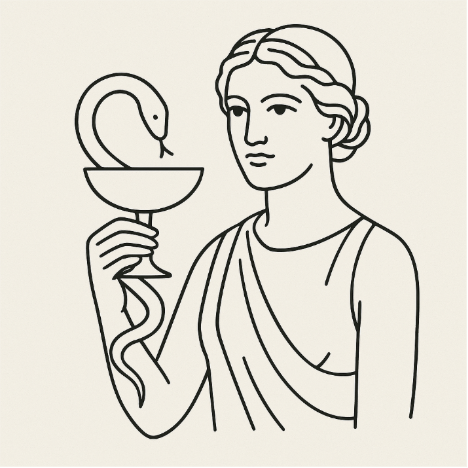
Between Panacea and Hygieia
Our line of research combines two complementary approaches:
Panacea, which symbolises treatment and symptom relief, and Hygieia, which represents prevention and healthy lifestyle habits.
This balance between treatment and lifestyle guides all our interventions.

We achieve this through:
- Participatory methodologies, integrating the perspectives of those who experience these situations on a daily basis.
- Lifestyle medicine, including physical activity as a therapeutic tool.
- Use of digital tools to expand access and improve mental health care.
Get involved
Your participation helps us advance more effective and accessible treatments for mood disorders. Find out how you can collaborate on our projects.
Partner institutions and collaborators
Our collaboration network includes national and international entities, and we are part of consortia and research networks.